Orthodontics (Braces)
Paediatric orthodontics – a healthy and beautiful smile from an early age
At our clinic, we also provide paediatric orthodontics, which focuses on the prevention and treatment of misaligned teeth and jaws in children.
At our clinic, we also provide paediatric orthodontics, which focuses on the prevention and treatment of misaligned teeth and jaws in children. Proper development of the teeth and jaws is crucial not only for the aesthetics of the smile, but also for proper bite function, breathing and speech.
Why is paediatric orthodontics important?
- Prevention of future problems – early diagnosis can prevent complex procedures in adulthood.
- Proper jaw development – helps ensure that teeth are properly aligned and the jaw develops harmoniously.
- Healthy teeth – reduces the risk of tooth decay and periodontitis, as correctly positioned teeth are easier to clean.
- Confident smile – aesthetically appealing and straight teeth promote healthy self-confidence in children.
When to start orthodontic treatment?
- The ideal age for the first orthodontic examination is around 6–7 years, when permanent teeth begin to erupt.
- Early examination will reveal problems with eruption, malocclusion or uneven jaw growth.
- In some cases, early treatment may be recommended for younger children (e.g. for proper jaw growth or to eliminate habits such as thumb sucking).
Types of treatment in paediatric orthodontics
- Preventive orthodontics – the aim is to minimise the development of problems, for example by using braces or simple splints.
- Active treatment phase – fixed or removable braces correct the incorrect position of the teeth and jaw.
- Retention phase – after treatment is complete, retainers are used to prevent the teeth from moving back.
Types of orthodontic appliances for children
- Removable braces – plastic or metal, suitable for minor defects.
- Fixed braces – metal or ceramic, effective for more complex corrections.
- Special splints and orthodontic appliances – for jaw adjustment or upper jaw expansion.
Dental care during orthodontic treatment
- Thoroughly clean your teeth after every meal.
- Use interdental brushes and fluoride toothpaste.
- Regular check-ups with your orthodontist.
- Follow the recommended diet, limiting hard and sticky foods.
Paediatric orthodontics is an investment in your child's health and beauty. Early examination and appropriate treatment ensure proper jaw and tooth development, prevent complications in adulthood and promote a confident smile. Regular check-ups and proper hygiene during treatment are the keys to success.
This article is for informational purposes only and does not replace an in-person examination. If you have a specific concern or question, get in touch with our team — we will be happy to invite you for a consultation.

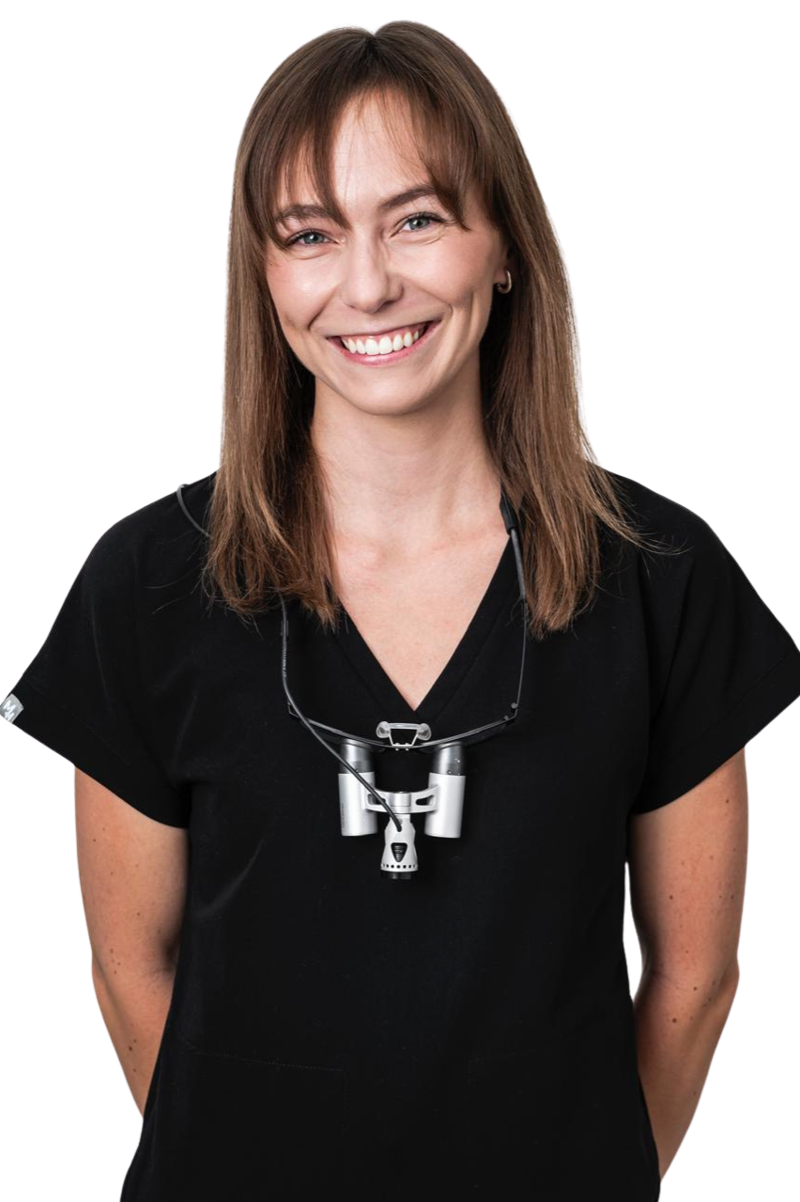
Medically reviewed by
MDDr. Kristýna PopekSpecialist in Conservative Dentistry and Pediatric Dentistry
Last updated:
More questions on this topic
Does VZP contribute to braces and orthodontic treatment?
The General Health Insurance Company (VZP) provides a contribution towards orthodontic treatment, specifically braces.
Read more →Damaged teeth after braces – why it happens and how to prevent it
Braces are a great solution for a straight and healthy smile. However, some patients worry that their teeth will remain damaged or weakened after removal.
Read more →Complications during orthodontic treatment – what to watch out for
Braces are an effective means of correcting misaligned teeth and jaws. However, they also carry certain risks and possible complications.
Read more →Invisalign ClinCheck – a digital plan for your perfect smile
ClinCheck is a modern digital technology that allows patients and orthodontists to visualise the course of Invisalign treatment before the aligners are fitted.
Read more →How does treatment with invisible braces work?
The entire process is comfortable, discreet and allows freedom in eating and oral hygiene.
Read more →Can I eat everything with invisible braces?
Yes, you can. That is one of the main advantages of Invisalign – you simply remove your braces when eating.
Read more →