Share
Do you know how to brush your teeth correctly?
Tooth brushing is part of a daily routine that most people perform automatically. However, surveys show that only about 20% of the population masters the correct brushing technique. Bad habits lead to the accumulation of dental plaque, the development of cavities, gum inflammation, and in the long term, even to periodontitis. Yet it is enough to spend at least two minutes brushing twice a day and learn the correct technique.
Bass Method
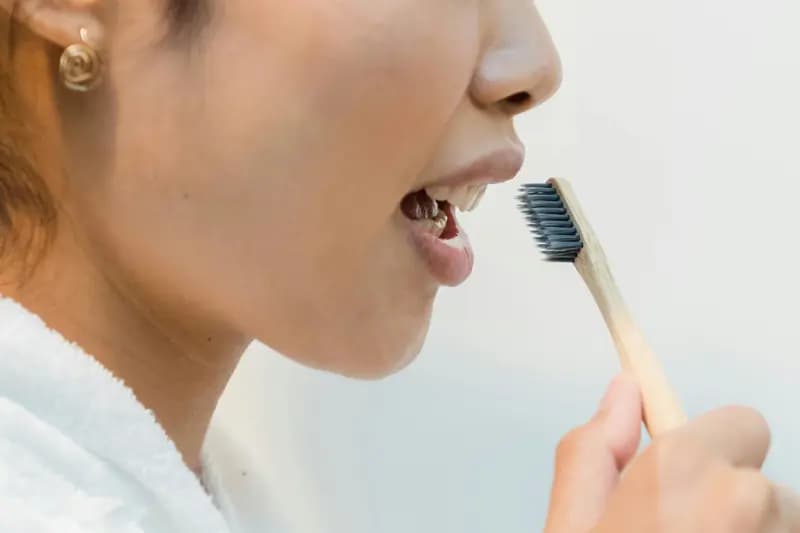
The most commonly recommended brushing technique is the so-called Bass method. The toothbrush is held against the teeth at a 45-degree angle to the tooth neck so that the bristles partially extend below the gum margin. The motion consists of gentle, small circular or vibrating movements on each tooth surface — outer, inner, and chewing. It is important to brush systematically, surface by surface, and not forget the back molars and inner sides of the teeth, where plaque most often accumulates. A supplement is tongue cleaning and daily use of interdental brushes or dental floss.
Toothbrush Firmness
Many people believe that a hard toothbrush cleans teeth better. The opposite is true — hard bristles can damage tooth enamel and gums, cause their recession, and expose sensitive tooth necks. For most people, an ideal toothbrush has soft or medium-firm bristles that gently but effectively removes plaque. It is advisable to replace the toothbrush approximately every three months, or earlier if the bristles are visibly worn. The choice of toothbrush and brushing technique is best discussed with a dental hygienist, who will recommend a solution tailored to your needs.
This article is for informational purposes only and does not replace an in-person examination. If you have a specific concern or question, get in touch with our team — we will be happy to invite you for a consultation.


Last updated: